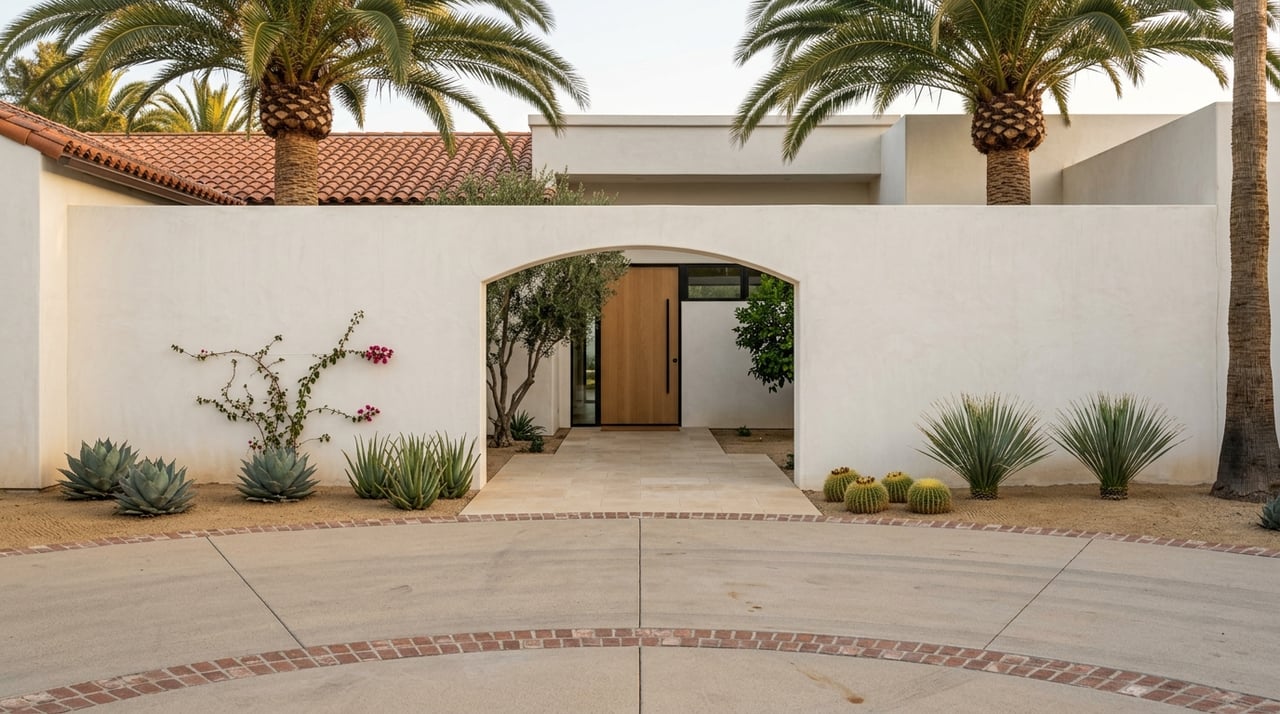
Old Las Palmas Estate Living: A Buyer’s Overview
July 23, 2026
July 23, 2026
If you are considering Old Las Palmas, you are likely looking for more than just a house. You are looking for privacy, architectural character, and a Palm Springs address with lasting appeal. This neighborhood stands apart for exactly those reasons, and understanding how it works can help you buy with more confidence. Let’s dive in.
Old Las Palmas is widely recognized as one of Palm Springs’ earliest residential enclaves, with roots going back to the mid-1920s. City and local history sources consistently describe it as the city’s first and oldest neighborhood, with roughly 300 homes and a long legacy of estate-style living.
That history still shapes the buyer experience today. Recent neighborhood data shows 313 detached housing units, with 57% owner-occupied, which supports the idea that Old Las Palmas remains a primarily residential, long-hold neighborhood rather than a short-turn market.
For many buyers, that combination matters. You get a neighborhood with real staying power, a defined identity, and a sense of place that feels distinct even within Palm Springs’ luxury market.
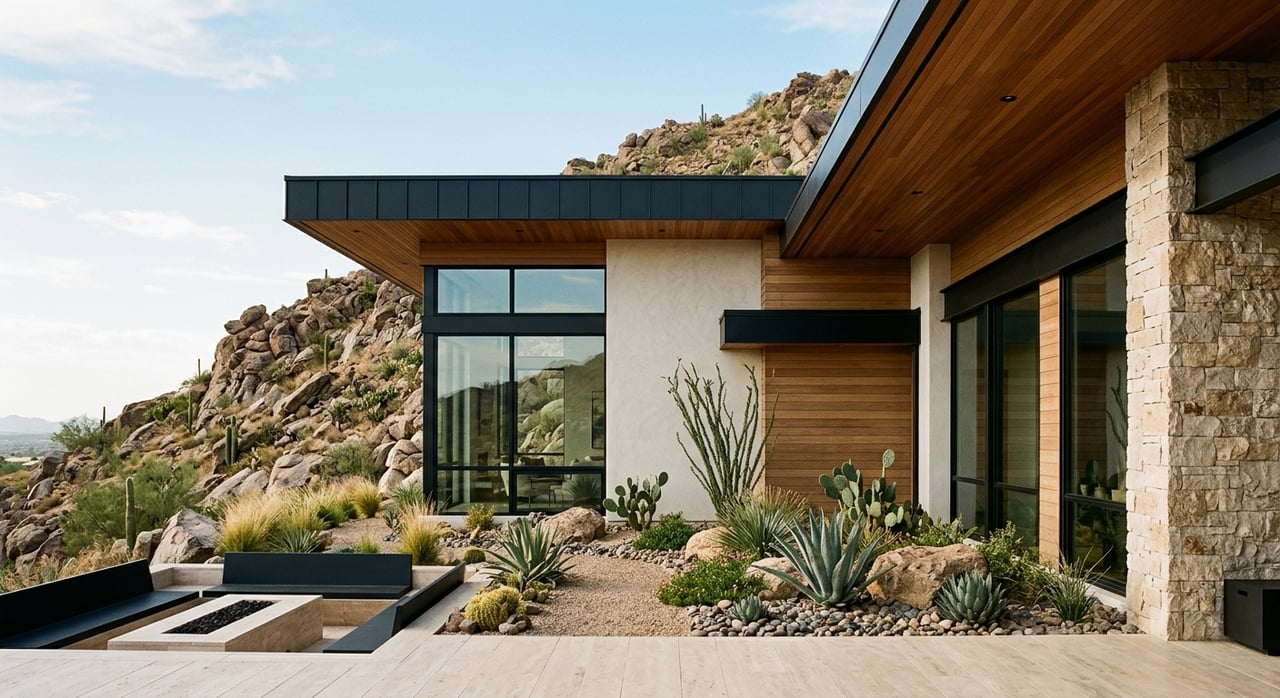
In Old Las Palmas, estate living is more of a market description than a strict property type. The homes vary, but the defining traits tend to repeat: larger parcels, gates or privacy walls, mature landscaping, and a quieter residential feel than nearby commercial areas.
That means value here is not just about square footage. You are often paying for land, privacy, outdoor living, and architectural presence just as much as for the interior itself.
This is one reason Old Las Palmas continues to attract design-conscious buyers. It offers the kind of setting where the home, the lot, and the landscape work together to create a complete lifestyle experience.
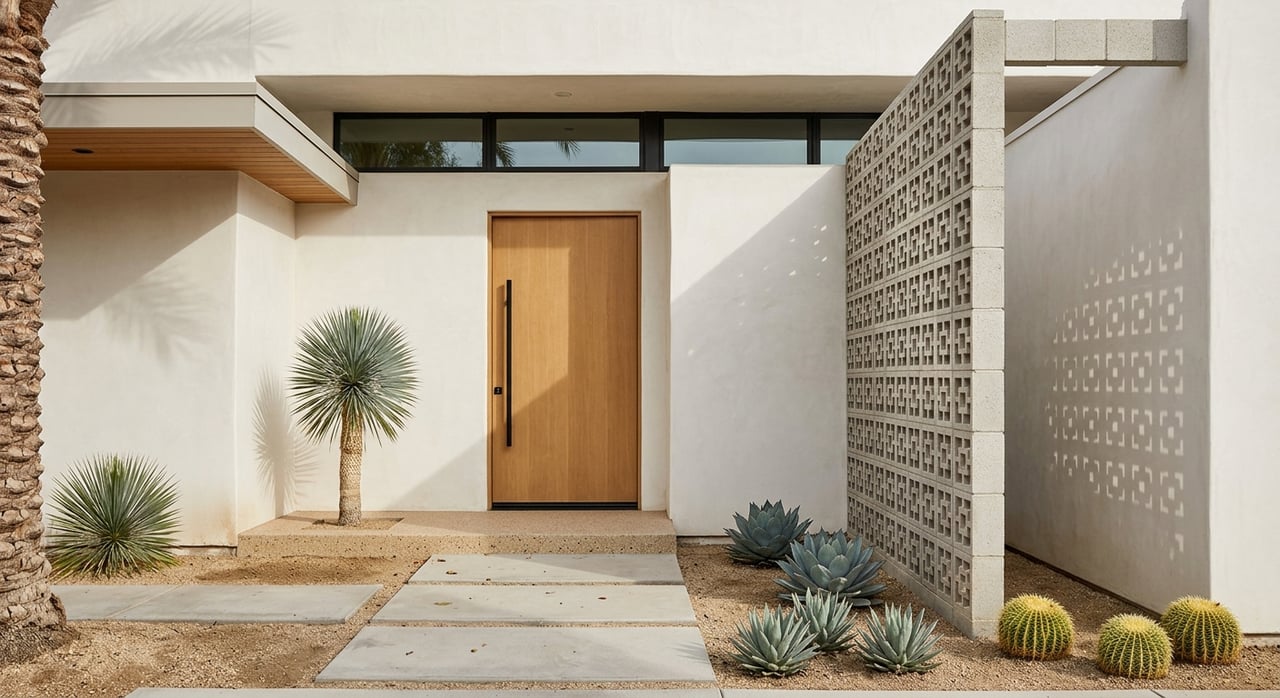
Old Las Palmas is not limited to one look. The neighborhood includes Spanish Colonial Revival and Desert Spanish homes, along with later renovations and some mid-century designs that connect to Palm Springs’ broader modernist identity.
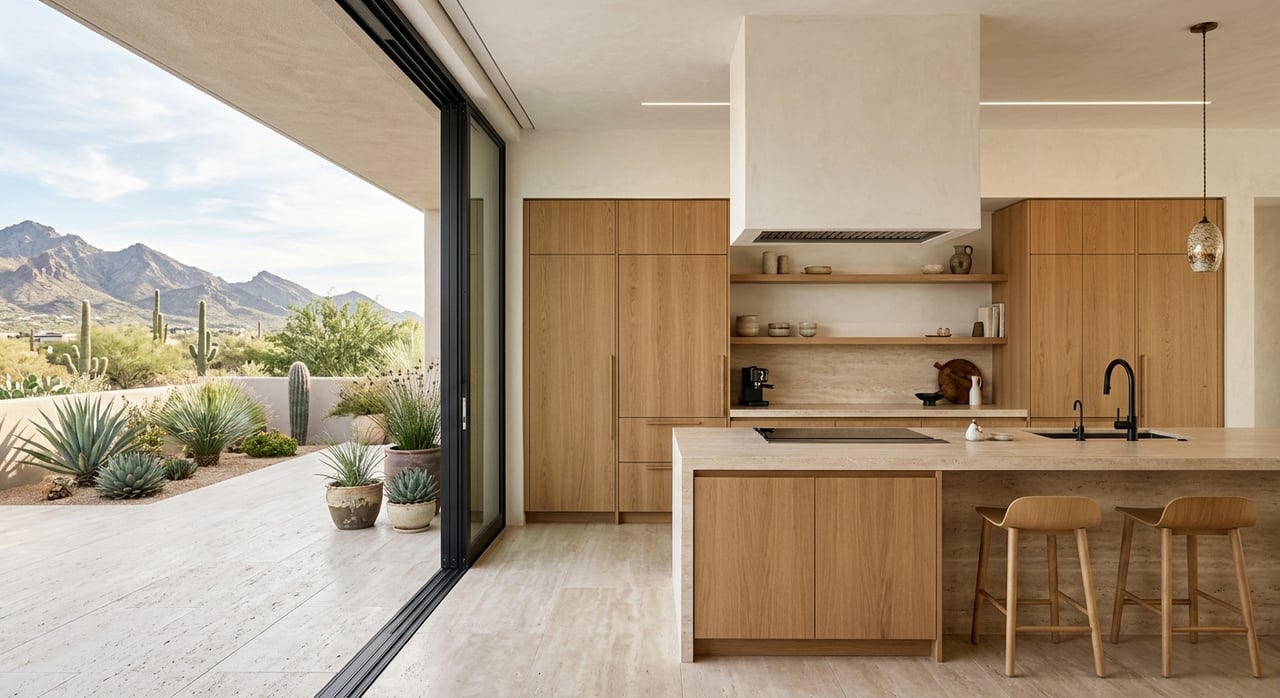
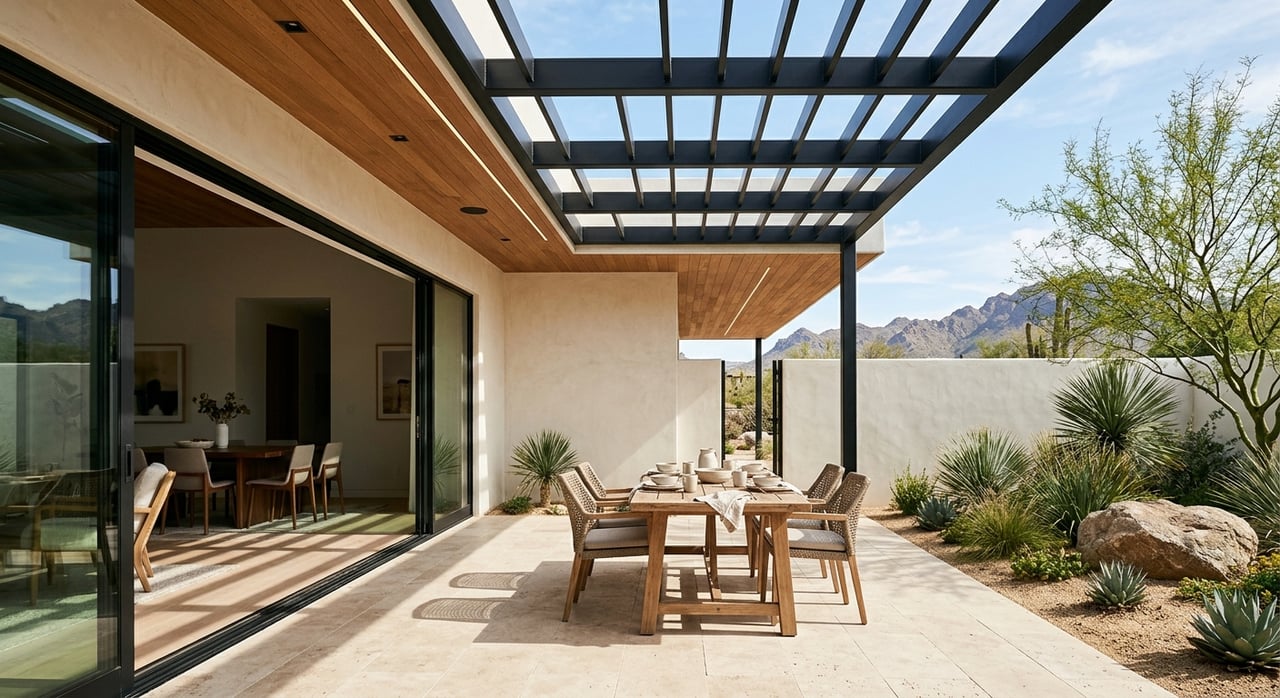
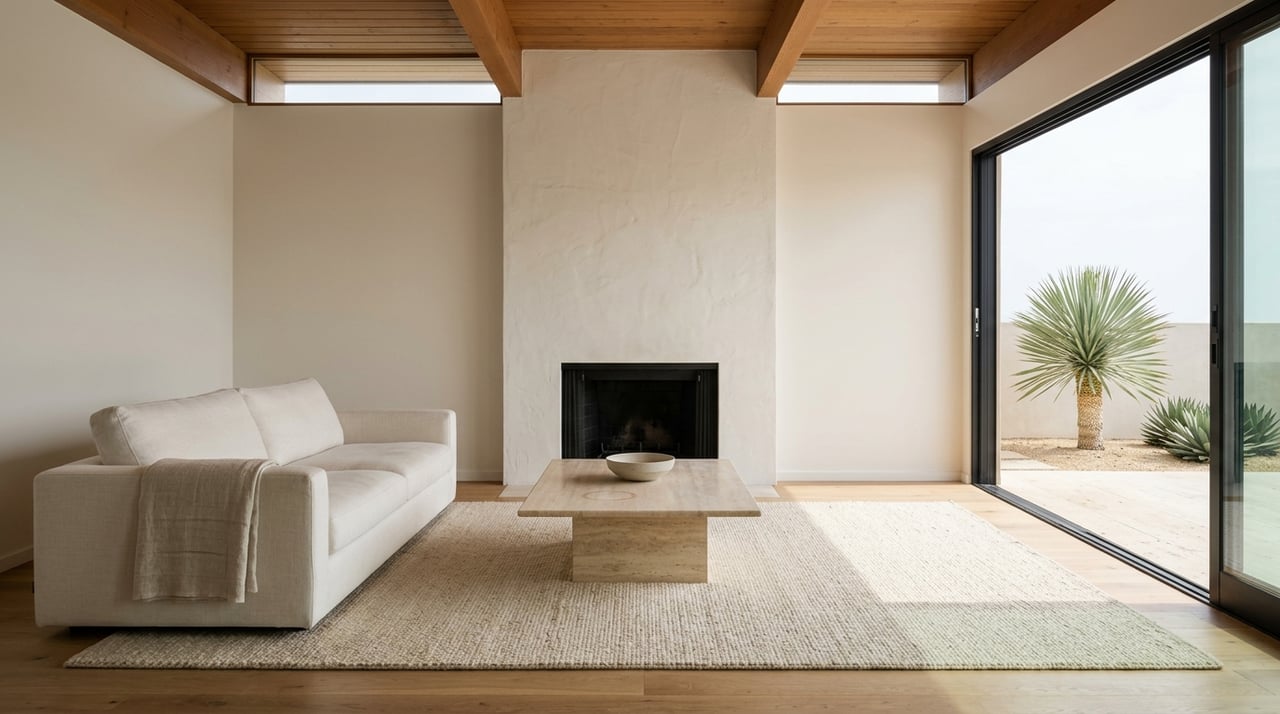
Palm Springs tourism materials note that the desert climate influenced local modernist architecture through indoor-outdoor flow, glass, clean lines, and materials suited to desert living. In Old Las Palmas, that design thinking shows up in a way that feels layered rather than uniform.
For a buyer, that is important. You are not shopping in a neighborhood frozen in one era. You are looking at a mix of preserved historic homes, carefully updated residences, and properties that blend older architecture with more contemporary interiors and outdoor spaces.
The strongest properties in Old Las Palmas often strike a balance between character and livability. Buyers are typically drawn to features like:
If you value design, this is one of the neighborhood’s biggest advantages. Many homes offer a sense of history without asking you to give up modern comfort.
Old Las Palmas sits near the top of Palm Springs’ luxury hierarchy in current neighborhood-guide data. Palm Springs Life places the average-size detached home in Old Las Palmas at $4,168,607, compared with $2,459,072 in Vista Las Palmas, $2,102,969 in the Movie Colony, $2,258,485 in Indian Canyons, and $2,384,420 in The Mesa.
These figures are best treated as comparative snapshots, not formal valuations. Still, they help show that Old Las Palmas carries a clear premium relative to several other well-known Palm Springs neighborhoods.
That premium is about more than price. It reflects a specific mix of central location, estate scale, privacy, and historic prestige that is hard to duplicate elsewhere.
If your goal is a legacy-feeling Palm Springs property with a strong privacy component, Old Las Palmas often becomes the benchmark.
One of Old Las Palmas’ biggest advantages is location. City planning materials identify Uptown as the mixed-use area immediately north of Downtown, serving nearby residential neighborhoods including Las Palmas, Vista Las Palmas, the Movie Colony, and Ruth Hardy Park.
For you, that means relatively quick access to dining, shopping, galleries, and downtown amenities while still living in a quieter residential setting. That balance is a big part of the neighborhood’s appeal.
Climate also shapes day-to-day ownership. Palm Springs is known for warm, dry weather, more than 350 days of sunshine annually, winter temperatures averaging in the 70s, and summer daytime temperatures that can reach into the 100s.
In practical terms, that usually means paying close attention to outdoor systems and upkeep. Irrigation, mature trees, pool equipment, shade structures, and desert landscaping all play a larger role here than they might in other markets.
If you are serious about buying in Old Las Palmas, due diligence should go beyond the usual checklist. This is especially true if you are considering a remodel, a major update, or a home with historic significance.
The City of Palm Springs Historic Site Preservation Board reviews demolitions and major alterations to Class 1 and Class 2 historic properties, as well as work within designated historic districts. If a specific property is historic or potentially eligible, that can affect additions, exterior changes, windows, walls, and demolition plans.
Because of that, it is smart to verify parcel-specific historic status early in escrow. You do not want to assume a standard renovation path and discover later that approvals may shape your options.
This is where local market knowledge really matters. In a neighborhood like Old Las Palmas, the right questions can protect both your lifestyle goals and your long-term investment.
If you are thinking about occasional rental income, do not assume every property will work the same way. Palm Springs states that its Department of Special Program Compliance administers the city’s vacation-rental rules.
The city also requires a homeshare vacation-rental certificate when an owner hosts visitors in the owner’s home while living on-site for stays of 28 consecutive days or less. In addition, the City Council adopted Ordinance 2118 on November 12, 2025, amending the annual cap on vacation-rental activity for certain existing permit holders.
For buyers, the takeaway is simple. Verify eligibility, permit status, and any applicable limits before you make rental income part of your purchase strategy.
Old Las Palmas tends to fit buyers who want a central Palm Springs location, meaningful architectural character, and a stronger privacy premium than many other neighborhoods can offer. It appeals to people who care about design, outdoor living, and the long-term feel of a home as much as the basic numbers on a listing sheet.
It can also be a strong fit if you want options. Some homes lean historic and preserved, while others offer updated interiors and more contemporary livability. That range gives you room to choose between legacy charm and a more turnkey lifestyle.
If you are buying with a sharp eye for architecture, setting, and future usability, Old Las Palmas deserves a serious look. It remains one of Palm Springs’ clearest examples of estate living with history behind it and lifestyle value in the present.
If you want expert guidance on buying in Old Las Palmas or comparing it with other Palm Springs neighborhoods, connect with Kyle Gilligan for a thoughtful, design-aware approach to your search.
Stay up to date on the latest real estate trends.
We pride ourselves in providing personalized solutions that bring our clients closer to their dream properties and enhance their long-term wealth.