Palm Springs Second Home Living: What Buyers Should Know
May 14, 2026
May 14, 2026
If you picture a second home as a place where life instantly slows down, Palm Springs makes a strong case. But owning here is not just about sunshine, a pool, and a beautiful patio. It is also about understanding the city’s seasonal rhythm, choosing the right type of property for how you plan to use it, and staying ahead of the practical details that come with desert living. Let’s dive in.
Owning a second home in Palm Springs feels different than owning one in a typical year-round market. According to the City of Palm Springs, the city has a permanent population in the mid-40,000s, but seasonal population levels rise significantly and can reach about 74,000. The city also notes millions of overnight visitors each year, which helps explain why Palm Springs often feels especially active in peak season.
For many second-home owners, that means your home may feel most alive from fall through spring. This is when outdoor living tends to take center stage, with more time spent on patios, by the pool, or hosting friends in the evening. Summer often becomes a quieter stretch that is better suited for maintenance, planning updates, and shorter stays.
The weather supports that pattern in a big way. NOAA climate normals for Palm Springs show an average high of 70.5°F in January, compared with 108.6°F in July and 108.1°F in August. Annual precipitation is low at 4.61 inches, which helps create the sunny, open-air lifestyle people come here for.
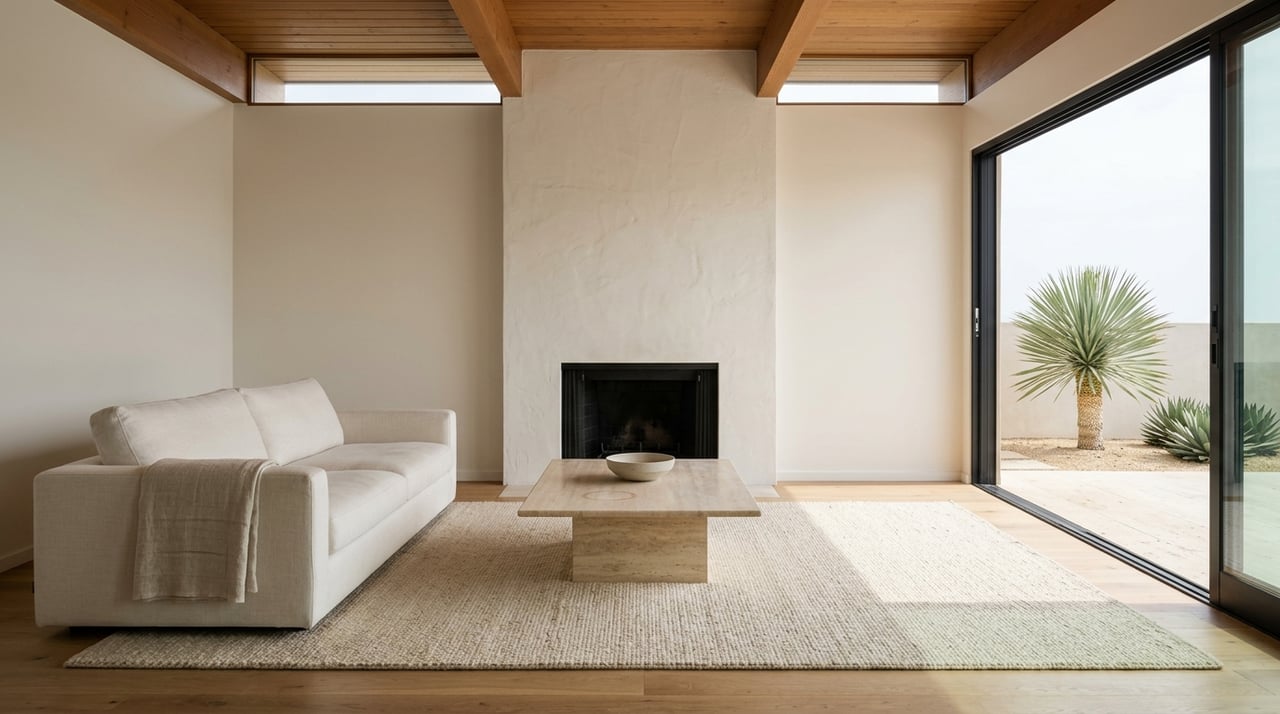
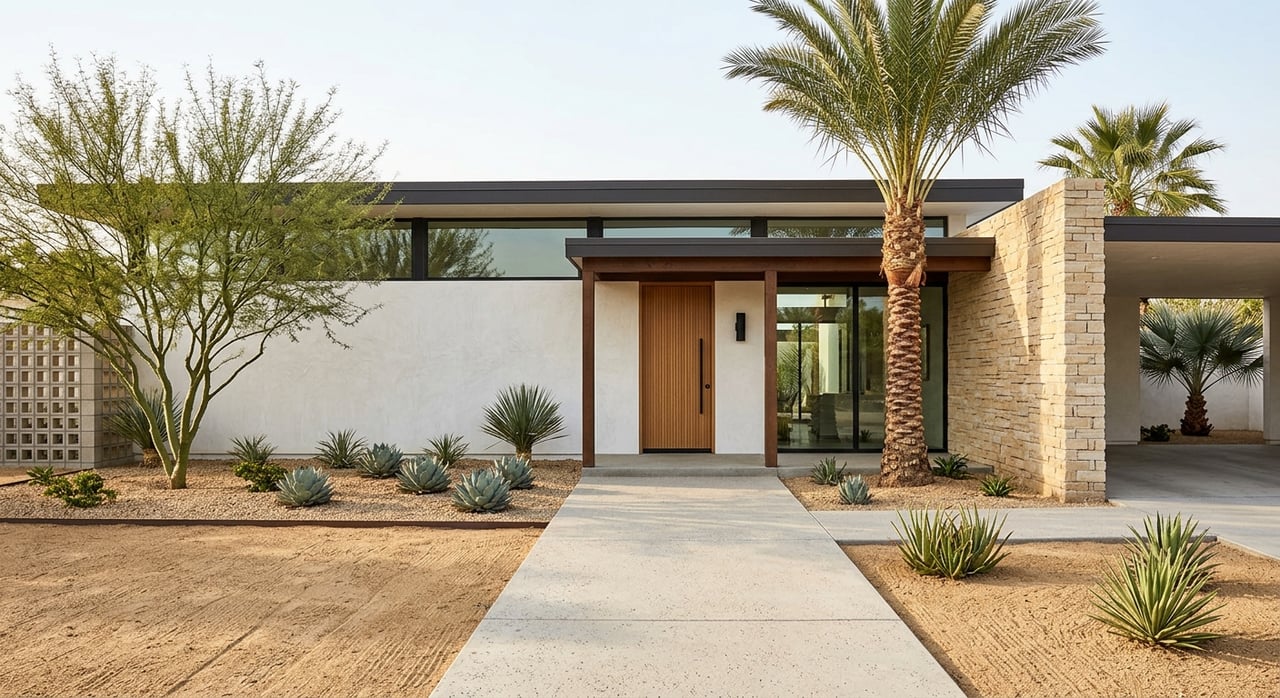
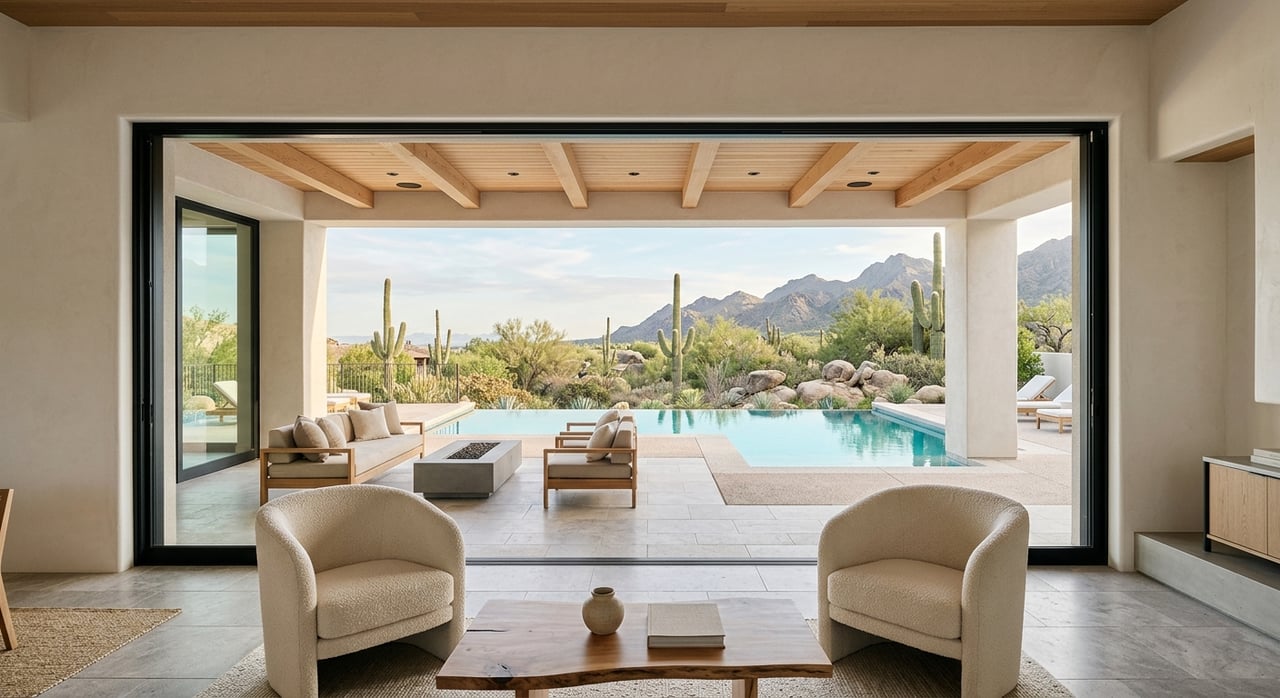
One of the biggest draws of owning a second home in Palm Springs is how naturally the house and outdoor space work together. City planning materials describe Palm Springs as especially known for Mid-Century Modern architecture and the broader Desert Modernism style, where design responds directly to climate and lifestyle. Features like flat roofs, glass walls, courtyards, natural materials, and pools all help create that signature resort-like feel.
As a result, many homes here do not feel like a simple getaway property. They feel more like a private retreat built around light, views, and easy movement between inside and outside. If you are buying a second home for lifestyle first, that design language is a major part of what makes Palm Springs so appealing.
That said, the same features that make a home beautiful also shape how you care for it. Large outdoor areas, pools, and exposed desert landscaping can be rewarding, but they require thoughtful planning if you are not here full time. A second home works best when the design is paired with systems that are easy to manage from a distance.
A Palm Springs second home can be relatively easy to enjoy, but it should never be treated as fully hands-off. The desert climate is dry, hot, and demanding on outdoor systems. If you want a home that feels effortless when you arrive, the preparation behind the scenes matters.
Water use is one of the clearest examples. The Coachella Valley Water District says nearly 70% of residential water use is outdoors, which is why efficient irrigation and water-wise landscaping matter so much. The City of Palm Springs also encourages hardy plants in turf-removal projects, making it easier to keep a polished look without relying on high-water lawns.
For many second-home buyers, that points to a smart formula:
These details may not be as exciting as architecture or mountain views, but they have a real effect on your ownership experience. If you only use the home part of the year, low-drama maintenance often becomes one of the most valuable features of all.
Low rainfall does not mean zero weather risk. Coachella Valley Water District says the Coachella Valley averages less than 3 inches of rain per year, but runoff from storms in surrounding mountains can still create damaging flash flooding. The City of Palm Springs also notes that its location near mountains and wash systems makes the area especially prone to flooding and temporary road issues during storm events.
For a second-home owner, that means storm readiness should be part of your normal planning. Roof upkeep, drainage, pool systems, and site grading all matter more than many buyers expect. Even if your home is primarily a winter retreat, it still needs to be ready for weather when you are away.
This is one reason local guidance matters so much when you buy. A home that looks turnkey on the surface may still need a closer look at drainage patterns, outdoor materials, and how the lot handles water during a storm.
Palm Springs is not one uniform second-home market. The City recognizes 52 neighborhood organizations, and many of the area’s best-known neighborhoods have their own history, layout, and overall feel. For a buyer, that means choosing the right neighborhood is often just as important as choosing the right floor plan.
Some areas are closely tied to the city’s early resort identity. City materials describe Old Las Palmas as Palm Springs’ first and oldest neighborhood, dating to the mid-1920s, with homes that span styles including Spanish Colonial and Palm Springs modern. Other well-known neighborhoods like The Movie Colony, Vista Las Palmas, Indian Canyons, Andreas Hills, and Racquet Club Estates each offer a different ownership experience shaped by architecture, setting, and lot size.
That variety is part of the appeal. You might want a historic neighborhood with architectural character, a home framed by dramatic landscape, or a setting that feels private and polished without requiring a large estate footprint. In Palm Springs, those choices can meaningfully change how your second home lives day to day.
When you buy a second home, the best property is not always the most dramatic one. It is the one that matches how often you visit, how much upkeep you want, and whether you prefer a lock-and-leave setup or a larger private retreat. Palm Springs offers both.
The city’s housing history includes garden apartments, low-rise multi-building communities, early condo projects, and attached or semi-attached homes centered around shared pools. That pattern helps explain why condos and townhome-style properties remain a strong fit for many second-home buyers who want less yard work and a more turnkey ownership style.
Here is a simple way to think about the tradeoff:
| Property Type | What It May Offer | What To Consider |
|---|---|---|
| Single-family home | More privacy, more outdoor space, stronger architectural presence | More systems and landscape to maintain |
| Condo or townhome | Easier lock-and-leave lifestyle, potentially less exterior upkeep | Shared-community structure and varying maintenance responsibilities |
Neither option is automatically better. The right choice depends on whether you want Palm Springs to feel like a private compound, a seasonal retreat with minimal maintenance, or something in between.
Some buyers plan to use a second home only for personal enjoyment. Others hope to rent it out part of the year when they are away. In Palm Springs, that is a major distinction, and it is best to address it early.
The City of Palm Springs requires a separate vacation-rental certificate process for short-term rentals. The city states that owners may not advertise or rent a property as a short-term vacation rental until written authorization is issued. Processing may take 30 to 90 days, applications are not accepted while a property is in escrow, and a buyer must file a new application even if the property was already permitted under a prior owner.
The city also applies neighborhood density rules. Palm Springs reinstated Chapter 5.25 in 2022 and set a 20% neighborhood cap on vacation-rental certificates. Once a neighborhood reaches that threshold, new applications are returned, and some areas may be placed on a wait list instead.
For buyers, the takeaway is simple: do not assume a second home can automatically become a short-term rental. If rental flexibility is part of your plan, it should be factored into your search from the beginning. It can affect neighborhood selection, timeline, and your long-term strategy.
At its best, owning a second home in Palm Springs feels calm, design-forward, and deeply tied to lifestyle. You are not just buying square footage. You are buying winter sunshine, indoor-outdoor living, and a home base that can feel both restorative and social.
At the same time, successful ownership here usually comes down to fit. The right property should match your schedule, your maintenance tolerance, your design preferences, and your plans for personal use versus rental use. When those pieces line up, Palm Springs can deliver exactly what many second-home buyers are looking for: a retreat that feels beautiful, usable, and easy to return to.
If you are exploring a second home in Palm Springs and want guidance tailored to neighborhood, architecture, and long-term fit, Kyle Gilligan can help you find a property that matches the way you want to live.
Stay up to date on the latest real estate trends.
We pride ourselves in providing personalized solutions that bring our clients closer to their dream properties and enhance their long-term wealth.