How to Sell Your Palm Springs Luxury Home With Design
May 28, 2026
May 28, 2026
If you want to maximize your Palm Springs home sale, design is not a finishing touch. It is part of the strategy. In a market known for architecture, desert light, and indoor-outdoor living, buyers often respond first to how a home feels before they focus on the numbers. The good news is that the right updates do not always mean a major renovation. A focused, design-led plan can help your home show better in photos, feel more compelling in person, and support a stronger launch. Let’s dive in.
Palm Springs has a distinct visual identity, and that matters when you sell. The city’s general plan describes Palm Springs as a world-renowned community where high-quality architecture is a hallmark, with Mid-Century Modern design especially tied to the desert setting.
That local design language gives you a useful guide for pre-sale decisions. In many cases, the strongest move is to let the home’s architecture stand out instead of covering it with heavy decor, busy finishes, or styling that feels out of step with the setting.
For sellers, that means presentation should feel intentional. Clean lines, natural light, balanced furnishings, and finishes that work with the desert palette often do more for resale than overly trendy changes.
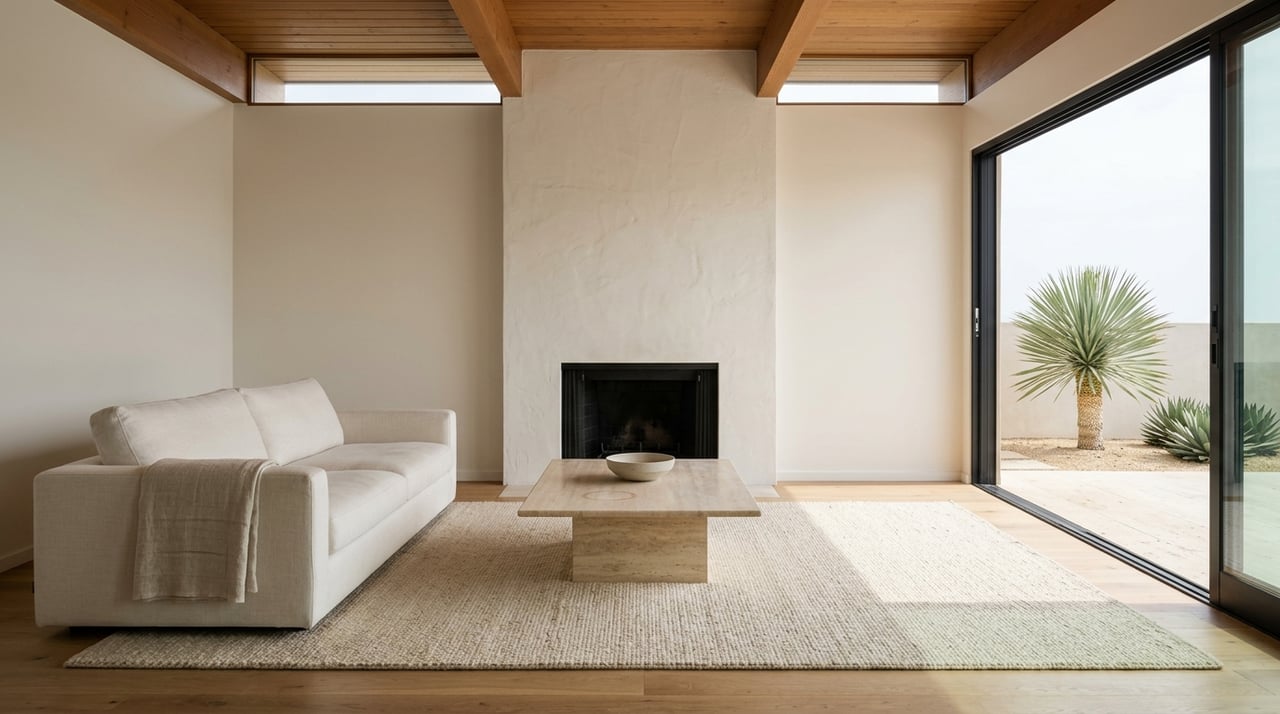
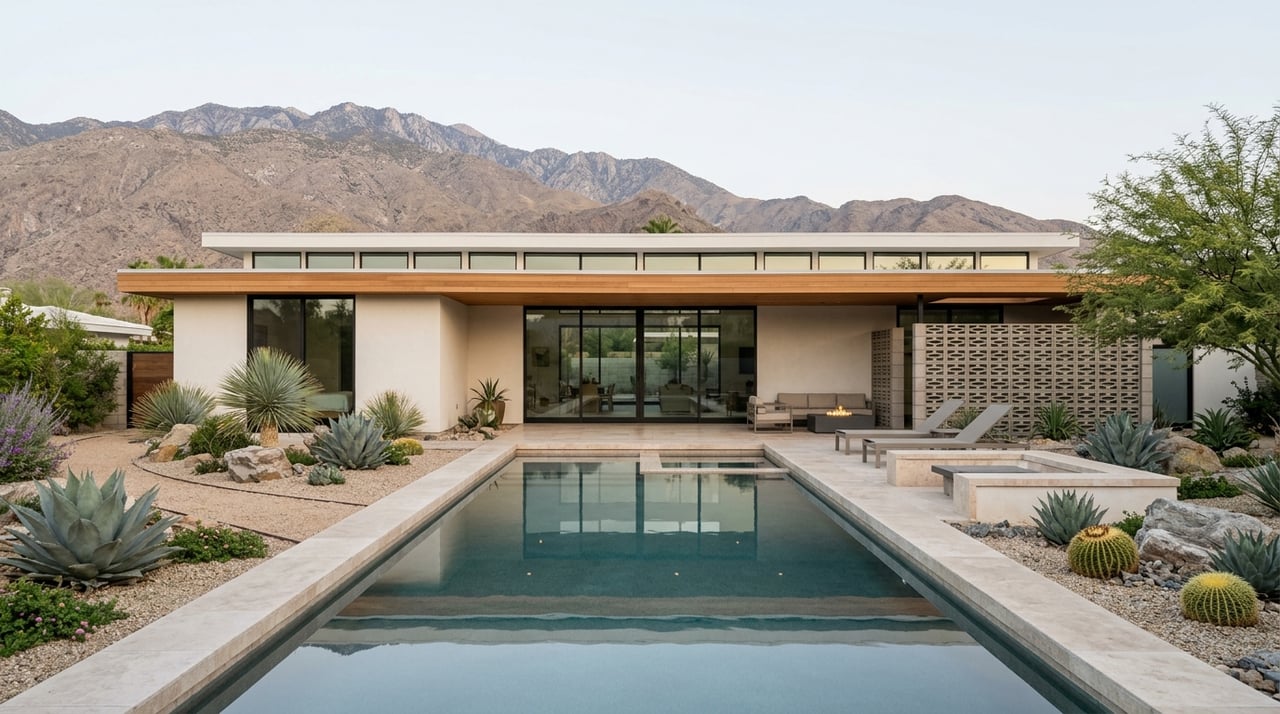
When you prepare your home for market, begin by identifying what makes it visually memorable. That could be post-and-beam details, clerestory windows, mountain views, low-slung rooflines, a strong indoor-outdoor connection, or simply a calm, open layout.
Your goal is to make those features easier to see. That usually means removing distractions, simplifying rooms, and choosing updates that support the original character of the home rather than competing with it.
In Palm Springs, this approach is especially important because the city emphasizes architecture, neighborhood character, and materials that fit the desert environment. Buyers who are drawn to this market often already have a clear picture of what they want, so your home should confirm that expectation.
Staging works because it helps buyers imagine themselves in the space. According to the latest NAR Profile of Home Staging, 83% of buyers’ agents said staging makes it easier for a buyer to visualize a property as a future home.
That matters in a visually driven market like Palm Springs. Buyers are not just comparing square footage. They are reacting to lifestyle cues, flow, light, and whether the home feels aligned with the Palm Springs experience they already have in mind.
NAR’s 2025 findings also show that 49% of sellers’ agents said staging reduced time on market, and 29% said it increased the dollar value offered by 1% to 10%. At the same time, only 21% of sellers’ agents staged all sellers’ homes, which suggests the smartest use of staging is often selective.
You do not always need to stage every room. A more strategic approach often works best.
Prioritize spaces that shape first impressions, such as:
In practice, the most effective staging often includes:
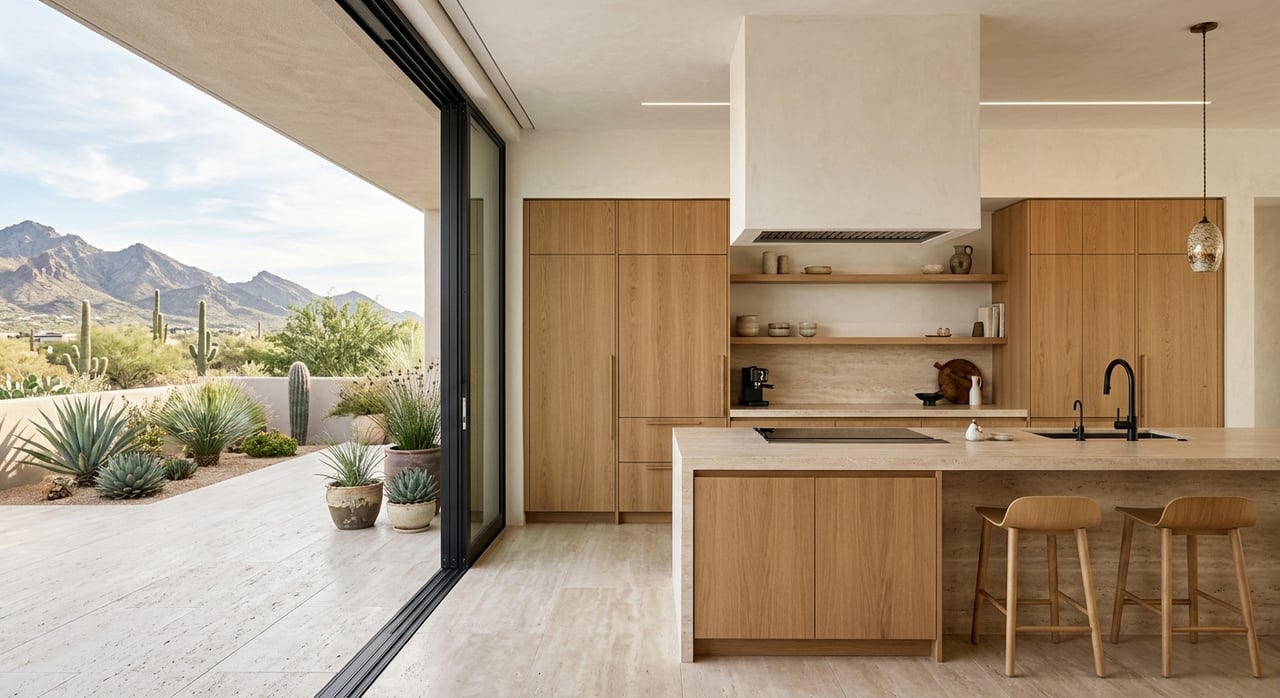
Before you spend on a full remodel, step back and look at what buyers will notice first. In most cases, the highest-impact interior work is visible, simple, and relatively low disruption.
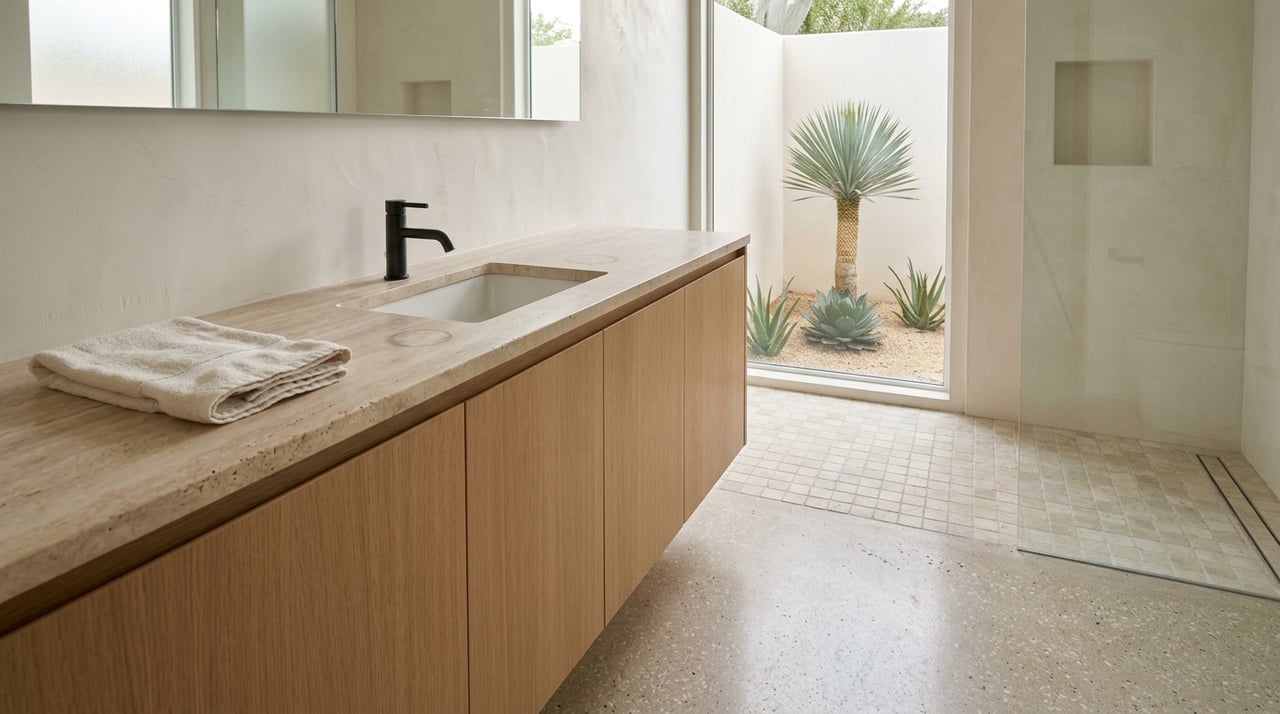
A selective interior plan may include paint, flooring touch-ups or replacement, lighting improvements, hardware swaps, and minor finish updates. These changes can sharpen the presentation without delaying your listing timeline.
This is where design discipline matters. In Palm Springs, the goal is usually not to make the home look generic. It is to make it feel cleaner, lighter, and more visually cohesive so the architecture can do the heavy lifting.
If you are deciding where to begin, start with the changes that improve photos and in-person showings right away:
For many sellers, this sequence creates a strong before-and-after result without turning pre-sale prep into a full construction project.
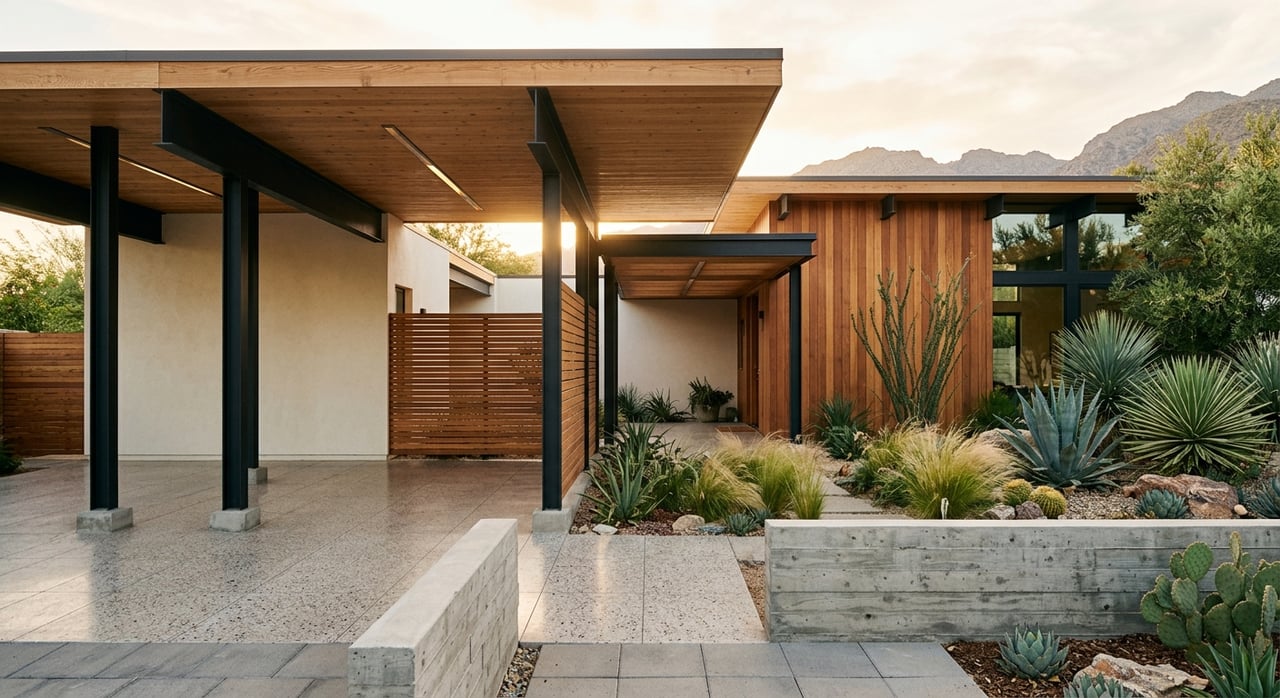
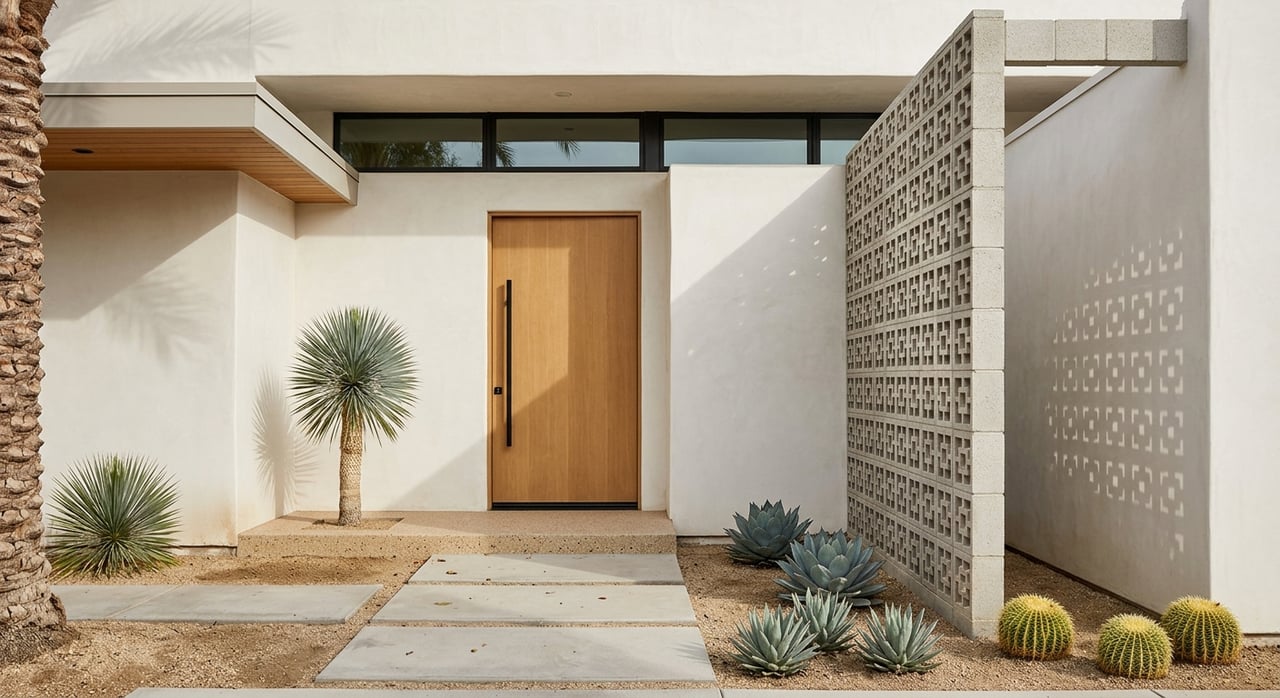
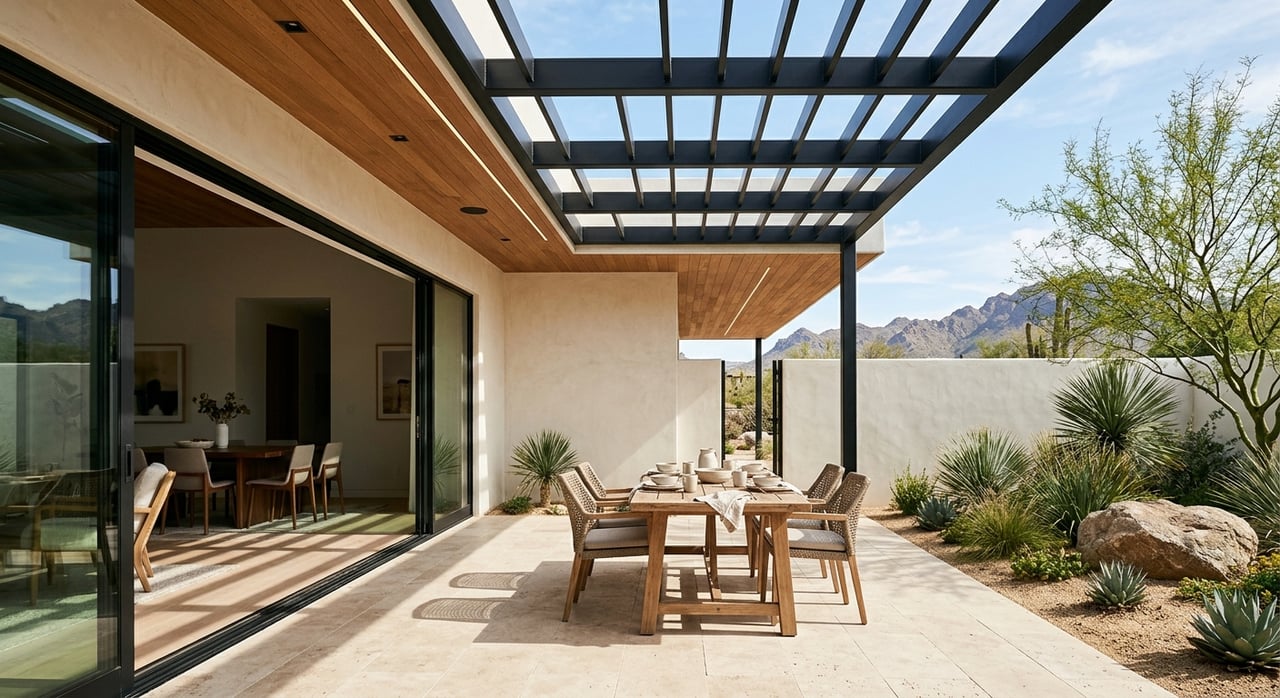
Exterior presentation matters just as much in Palm Springs. Buyers form an opinion before they ever walk through the front door, and the desert setting creates its own standards for what looks well maintained.
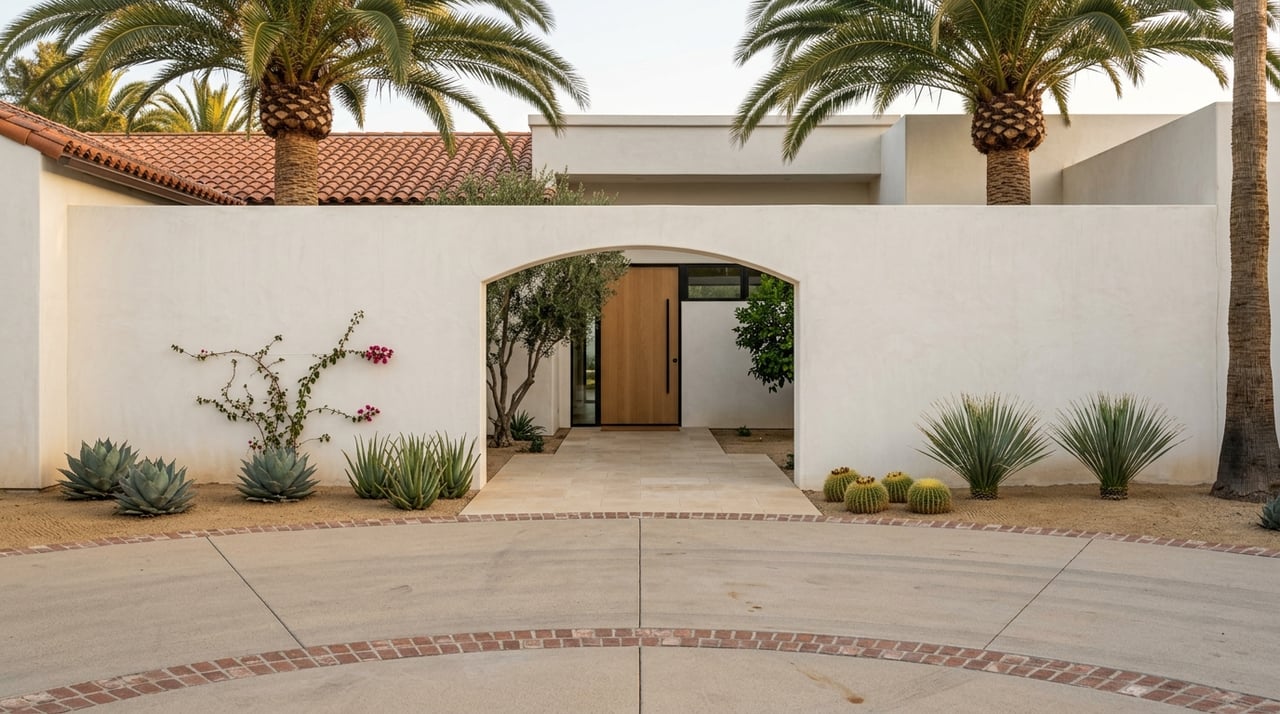
Local guidance supports a clean, disciplined exterior rather than a generic suburban makeover. In Palm Springs, sale-ready curb appeal often means healthy planting, maintained paint, clean hardscape, and irrigation that is working properly.
The city’s code compliance information specifically flags issues such as lack of landscape maintenance, peeling paint, and dead or overgrown plants and trees. That makes exterior upkeep more than a cosmetic concern. It is part of presenting a home that feels cared for.
A strong exterior refresh may include:
The best exterior work should feel appropriate to the desert environment and to the style of the home.
Water-conscious landscaping is especially relevant in Palm Springs. Desert Water Agency says turf removal is reimbursed at $2 per square foot, with an additional $1 per square foot for City of Palm Springs residents. The agency also offers rebates for smart irrigation controllers of up to $250 and up to $7 per efficient nozzle or irrigation head.
DWA notes that removing grass can be one of the best ways to save water, and that desert landscaping usually uses only a fraction of the water grass requires. The City of Palm Springs also recommends hardy plants in turf removal projects so landscaping can meet water-efficient regulations while still keeping a green aesthetic.
For resale, that means landscape updates can do double duty. They can improve visual appeal while also aligning with local water-use priorities.
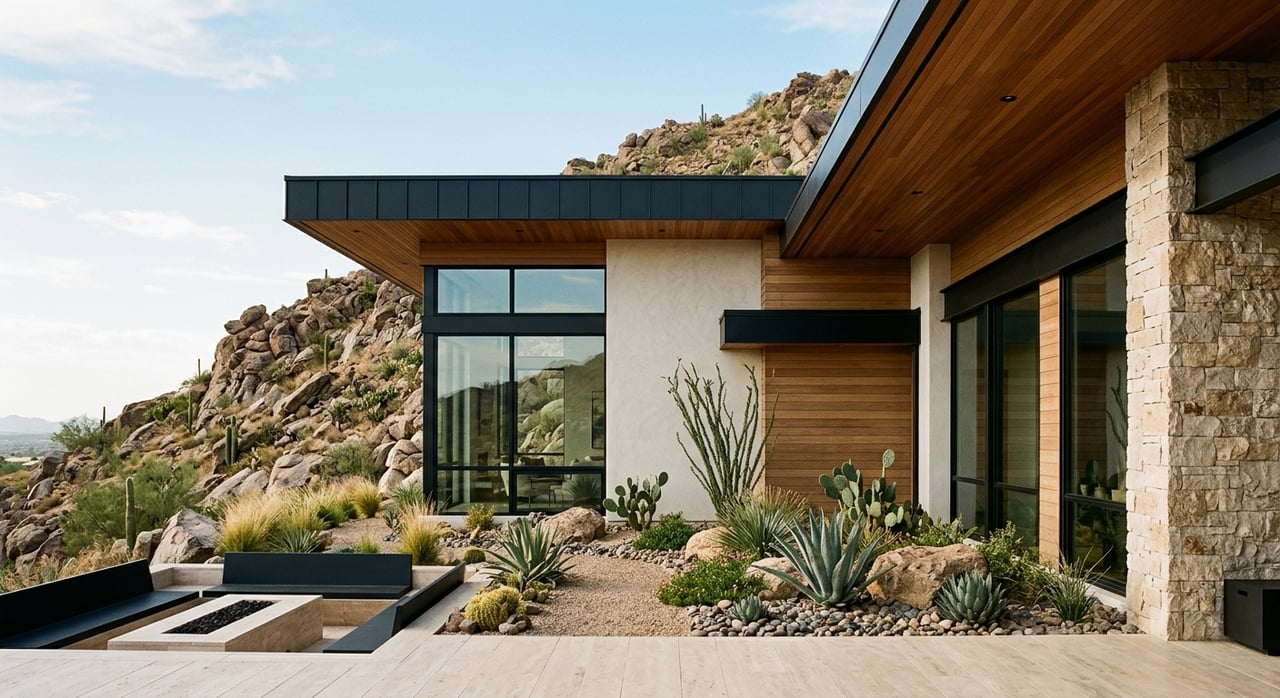
Well-planned desert landscaping can help your home feel more current, more polished, and easier to maintain. That may be especially useful if your existing yard looks water-heavy, uneven, or difficult to keep in show-ready condition.
The key is not to strip everything out and leave the lot feeling bare. It is to create a clean, intentional look with healthy plantings, working irrigation, and a design that fits the architecture.
Before making exterior changes, check whether your property may be subject to city review. Palm Springs says homes on hillside lots or along major thoroughfares are reviewed for exterior design and landscaping through Architecture Review.
The city also states that hillside home additions and landscape or lighting changes require a minor architectural review application. If your home is in a historic or culturally significant area, historic preservation regulations and district design guidelines may also apply.
That is especially important in Palm Springs because historic resources are treated as a planning issue, not just a preservation issue. In designated historic or culturally significant districts, new construction is expected to complement existing structures rather than imitate them.
For sellers, the takeaway is simple: before you invest in visible exterior work, confirm whether review rules affect your property.
If your home would benefit from pre-sale improvements, Compass Concierge may help you complete the work before going live. Compass describes Concierge as a program that fronts the cost of services such as staging, flooring, and painting, with zero due until closing.
Compass also says payment is due when the home sells, when the listing agreement ends, or 12 months after the Concierge start date. Fees or interest may apply depending on your state of residence, and Concierge loans are provided by Notable Finance and subject to credit approval and underwriting.
For Palm Springs sellers, the most useful way to think about Concierge is as a financing tool for visible, sale-oriented improvements. It is generally best suited for updates that improve first impressions and marketing impact rather than for broad, open-ended renovation plans.
Based on the services Compass highlights and what tends to matter most in Palm Springs presentation, strong uses may include:
Compass also notes pre-market options such as Private Exclusives and Coming Soon exposure. That can support a finish-first, launch-second strategy if your home needs a bit of prep time before full public marketing.
If you want the best return on your time and budget, think in phases. Start with the changes that shape buyer perception the fastest, then move to anything that improves launch quality.
A practical design-led sale plan for Palm Springs often looks like this:
This kind of approach matches the Palm Springs market well because buyers often respond to homes that feel intentional from the very first photo.
In Palm Springs, great presentation is not about adding more. It is about editing carefully, respecting the home’s architecture, and making every room and exterior space feel aligned with the setting. That is what helps a property stand out in a market where design already shapes buyer expectations.
If you are preparing to sell, a thoughtful plan can help you avoid wasted upgrades and focus on the improvements that truly support price, pace, and first impressions. If you want a design-aware strategy for your Palm Springs sale, connect with Kyle Gilligan for a personalized home valuation and pre-listing plan.
Stay up to date on the latest real estate trends.
We pride ourselves in providing personalized solutions that bring our clients closer to their dream properties and enhance their long-term wealth.