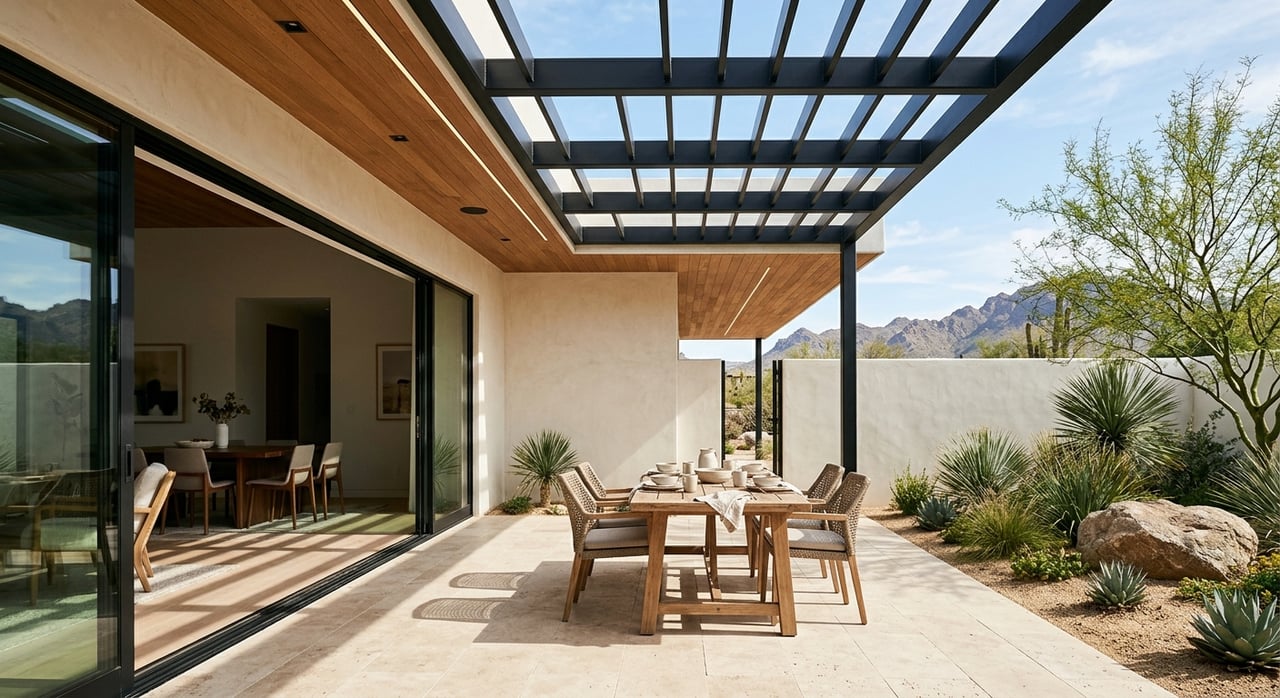
What To Know Before Buying A Palm Springs Investment Home
June 4, 2026
June 4, 2026
Buying an investment home in Palm Springs can look simple from the outside. You find a stylish house, picture guests by the pool, and expect strong seasonal demand to do the rest. In reality, the best investment purchases here depend on much more than looks, especially if you want the property to perform as both a personal retreat and a smart long-term asset. This guide walks you through what to evaluate before you buy, from neighborhood fit and seasonality to city rules, taxes, and operating costs. Let’s dive in.
Palm Springs is a tourism-driven market with a strong identity tied to architecture, design, events, and year-round visitor appeal. The city highlights tourism as an important part of the local economy, and local planning documents emphasize preserving its distinct mid-century modern character and modern urban village feel.
That matters because not every property works the same way as an investment. A home that feels exciting in listing photos may not be the right fit for your intended use, whether you want a second home with occasional rental income, a part-time vacation rental, or a long-term hold focused on resale.
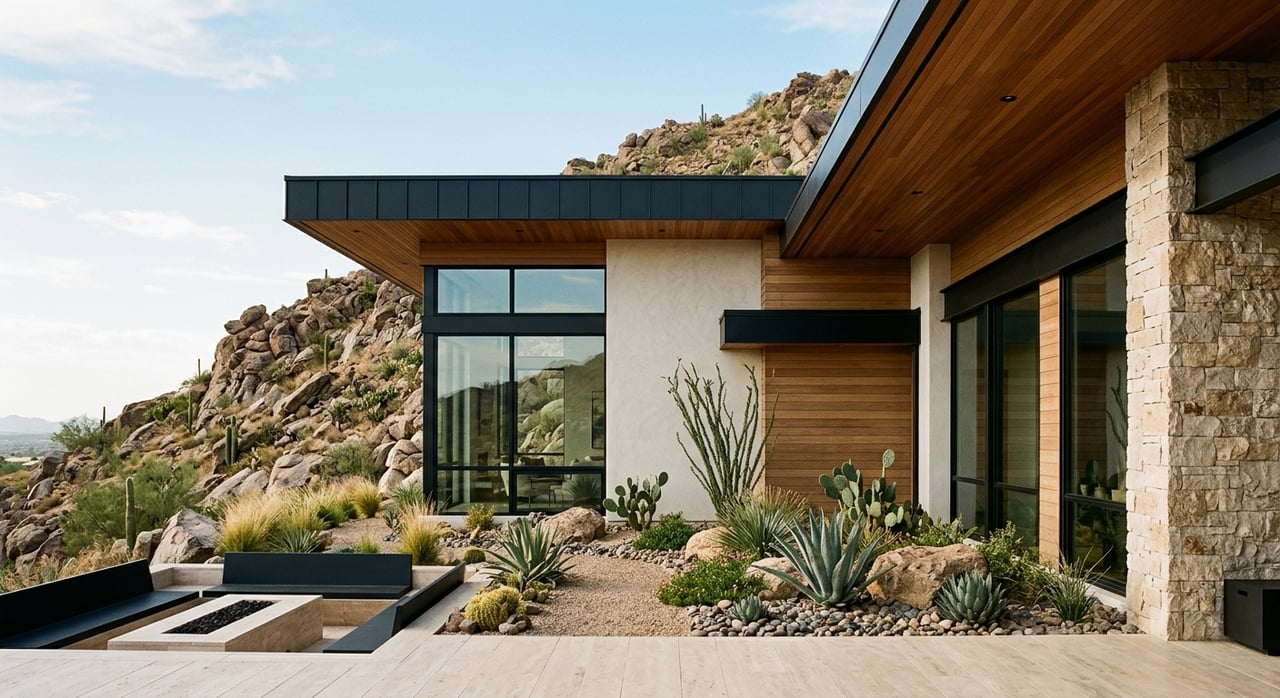
Palm Springs includes a wide mix of residential settings. You will find historic single-family homes, midcentury tract neighborhoods, golf-course properties, and hillside homes, each with a different feel and buyer pool.
If you are shopping with investment goals in mind, start by asking a simple question: What is this home supposed to do for you? A design-forward second home may call for a different location and layout than a property meant to support guest turnover and seasonal rental demand.
The city recognizes 52 neighborhood organizations, and neighborhood identity is a meaningful part of the Palm Springs experience. For buyers focused on architecture, lifestyle, and long-term appeal, areas often discussed include Old Las Palmas, Vista Las Palmas, The Movie Colony, Racquet Club Estates, Indian Canyons, Andreas Hills, The Mesa, Warm Sands, and Deepwell Estates.
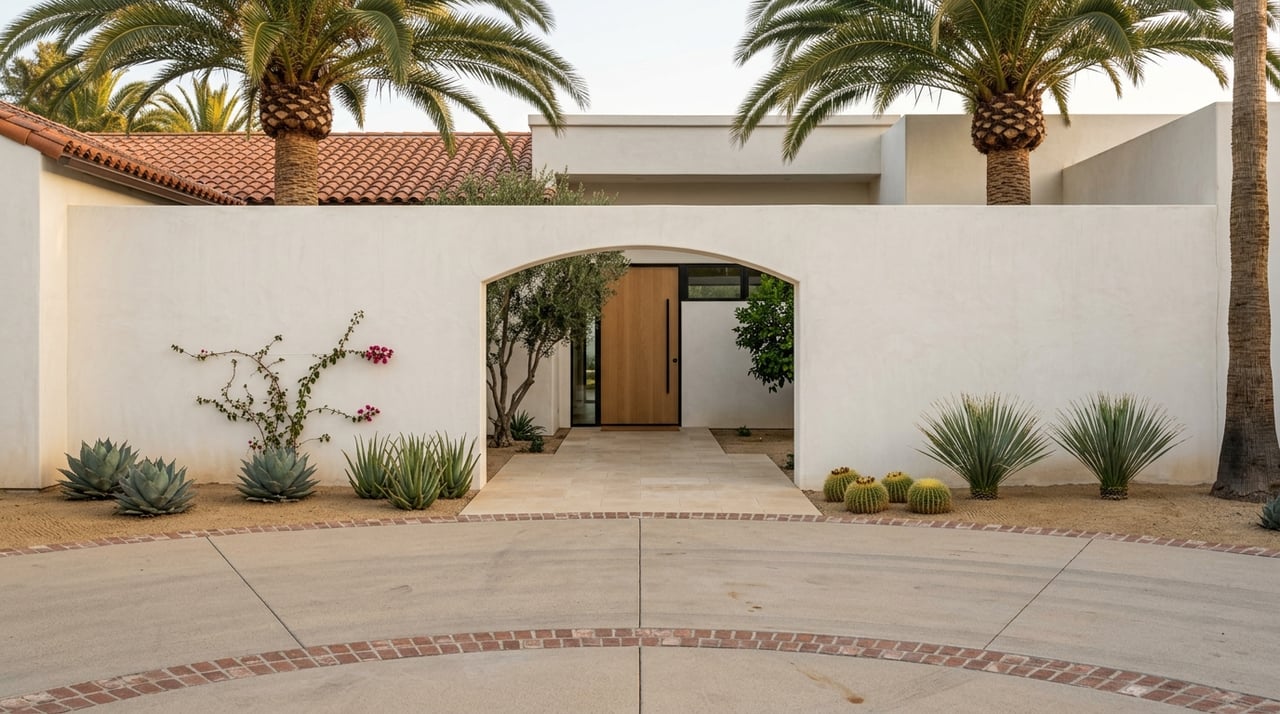
Each of these areas offers a different kind of product. Old Las Palmas is known for an eclectic mix that includes Spanish Colonial and Palm Springs modern styles. Vista Las Palmas reflects the late-1950s midcentury tract look tied to the Alexander Construction Company and modernist architects. Indian Canyons offers a 1960s neighborhood setting with many homes around the golf course and a strong resort-style feel.
For an investment-minded purchase, neighborhood choice should go beyond prestige or price point. You want to think about guest appeal, resale demand, architecture, curb appeal, and how well the home matches the expectations of that specific area.
Palm Springs is a destination market, and demand tends to follow both climate and the local event calendar. The weather is one of the clearest signals. NOAA climate normals for Palm Springs Regional Airport show average highs of about 59°F in January, 62°F in February, 73°F in April, 88°F in June, and 94°F in July and August.
That pattern helps explain why many buyers and visitors gravitate toward the cooler months. Fall, winter, and spring are generally more comfortable for outdoor living, while summer requires more cautious assumptions about occupancy, nightly rates, and overall use.
Palm Springs also benefits from architecture and event tourism. Modernism Week, one of the city’s best-known design draws, holds its signature festival in February, a smaller festival in October, and seasonal architecture tours from October through May.
For you as a buyer, this means your rental calendar should not be based on a simple annual average. It makes more sense to model stronger occupancy and rate potential in the cooler season and more conservative expectations in peak summer.
A Palm Springs investment property needs a realistic budget from day one. Purchase price is only part of the story. If your numbers depend on low carrying costs, this market can punish optimistic assumptions.
Because Palm Springs experiences extreme heat, cooling and upkeep deserve serious attention. Summer highs routinely exceed 100°F in June, July, and August, so HVAC performance, utility usage, pool systems, and exterior maintenance should all be built into your underwriting.
Riverside County notes that property tax bills are produced through the assessor, auditor-controller, and treasurer-tax collector, and that tax rates include a general 1% levy plus debt service. On top of that, California supplemental assessments can be triggered after a change in ownership or new construction.
That means your first-year tax picture may not match what you see on the current seller’s bill. If you plan to renovate after closing, your tax exposure may change again. This is one of the easiest places for buyers to underestimate true ownership cost.
If you plan to operate the property as a vacation rental, Palm Springs currently applies an 11.5% transient occupancy tax to vacation rentals and agencies. The city also requires a monthly transient occupancy tax return, even in months when the property was not rented.
In practical terms, that makes compliance part of your monthly operations, not something to sort out once a year. If you are evaluating projected income, this tax and the reporting requirement should already be part of your planning.
Many Palm Springs buyers hope to improve a property after closing. That can make sense, especially in a design-led market where presentation and architecture matter. Still, your renovation timeline and budget need to reflect local permitting rules.
The city’s permit guidance shows that common improvements such as HVAC installation or replacement, reroofing over 100 square feet, and water heater work require permits. Contractors must also be licensed in California. If a property has unpermitted work, correction costs and timeline delays can affect your return.
This is one of the most important steps in the whole process. In Palm Springs, vacation rentals and homesharing are allowed only as ancillary and secondary uses of residential property. They are limited to single-family dwelling units, apartments are prohibited, and the city states that a vacation rental certificate is a privilege rather than a right.
The city also notes annual caps of 26 contracts for new permittees and 32 for existing permittees, with up to four additional third-quarter contracts allowed for certain existing permittees. If short-term rental income is part of your investment plan, you need to confirm that the property is legally eligible and that your usage expectations line up with the city’s rules.
Not every investment buyer plans to use a home as a vacation rental. Some are looking for a long-term hold or want flexibility between personal use and longer leases. If that is your strategy, Palm Springs rent control rules should be part of your due diligence.
The city maintains a long-standing rent control ordinance for many residential rental units, with exemptions that include units built after April 1979, hotels, and certain small owner-occupied buildings. Before assuming future rent growth, verify whether the specific property falls under the ordinance.
Palm Springs has a strong neighborhood system, and the city works with 52 recognized neighborhood organizations. That local structure can shape expectations around parking, guest turnover, exterior appearance, and day-to-day neighbor relations.
Even when a concern is not spelled out in a listing, it can still affect your ownership experience. This is especially important if you are buying a home that will be part-time occupied or guest-facing. In Palm Springs, neighborhood fit is not just aesthetic. It can be operational.
Before you remove contingencies, confirm the details that could change the entire investment case. A home can be beautiful and well-located, but still be a poor match for your intended strategy if the regulatory or physical details do not line up.
A practical due diligence checklist should include:
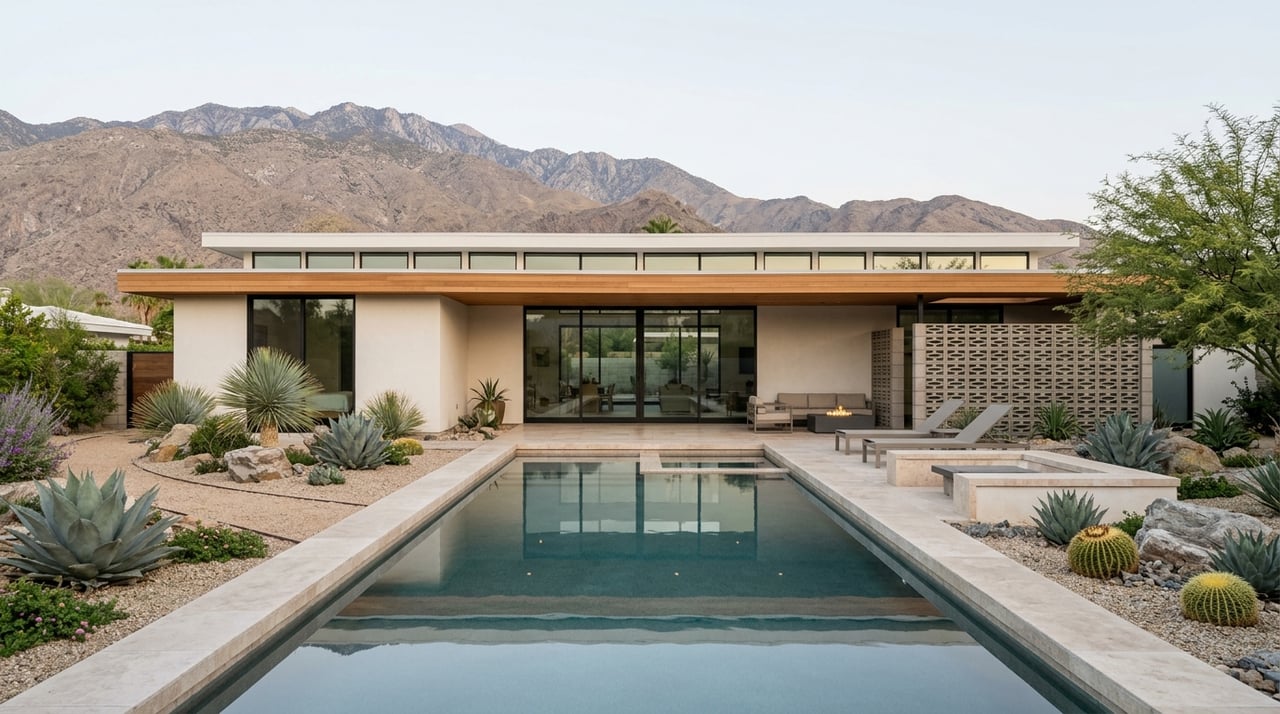
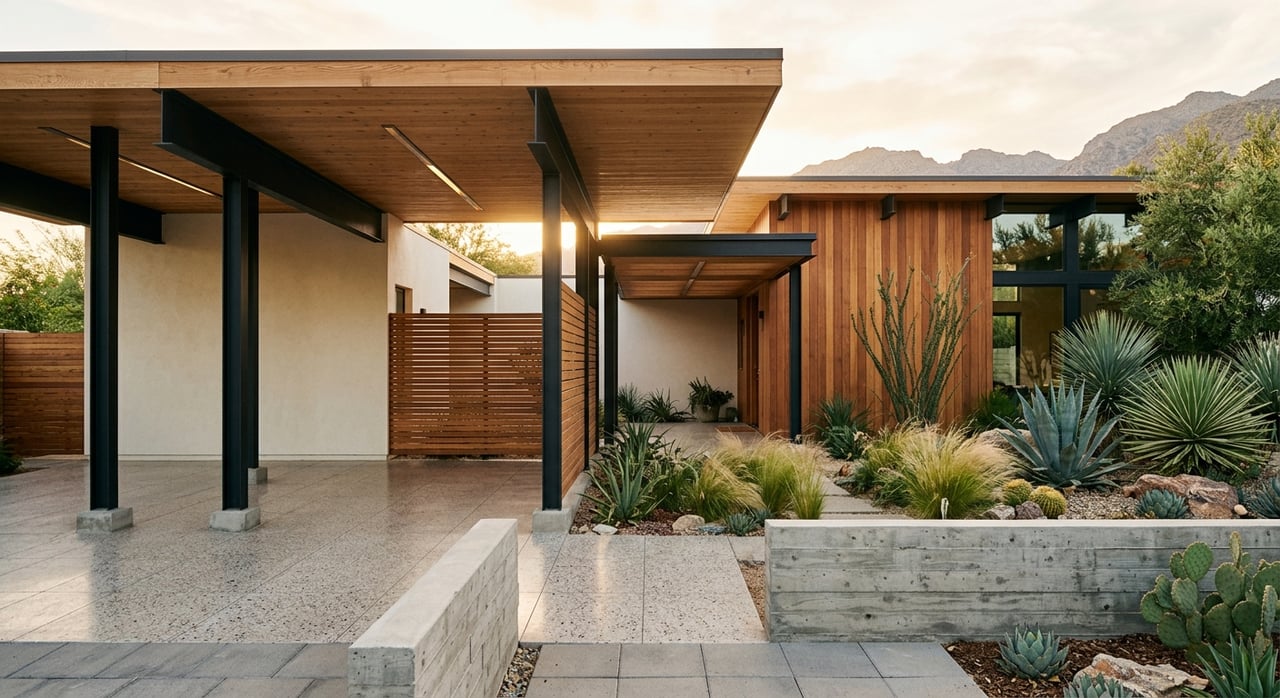
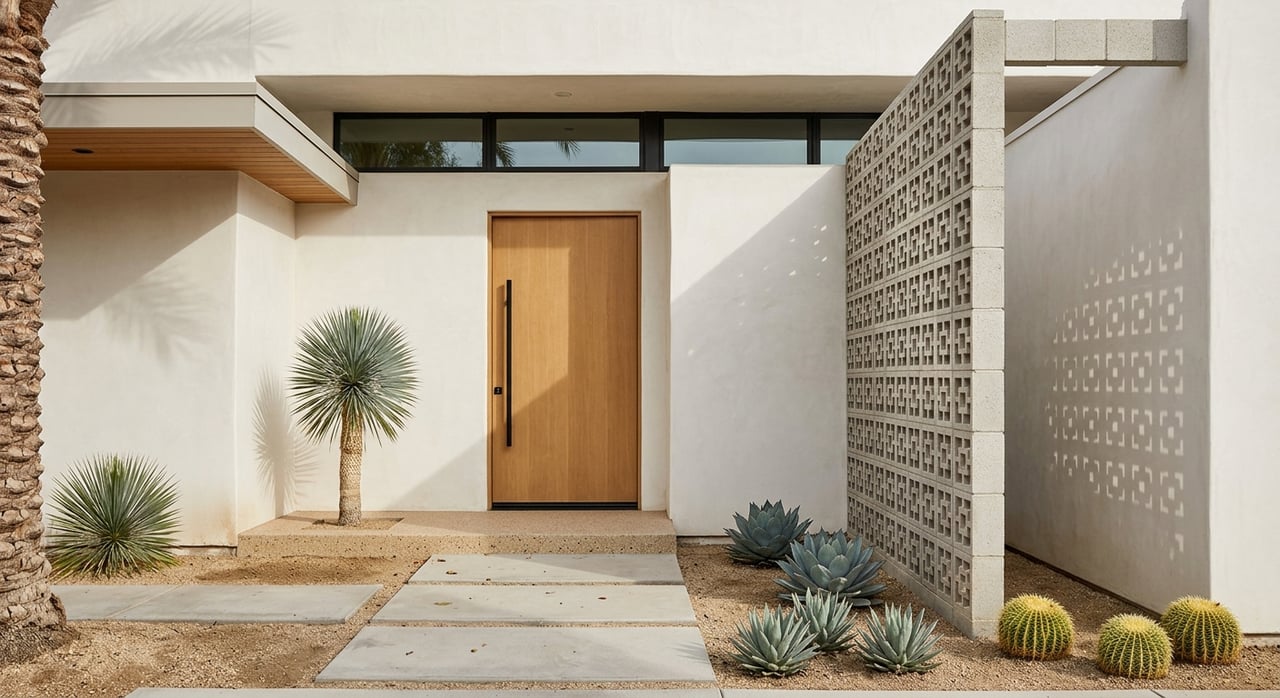
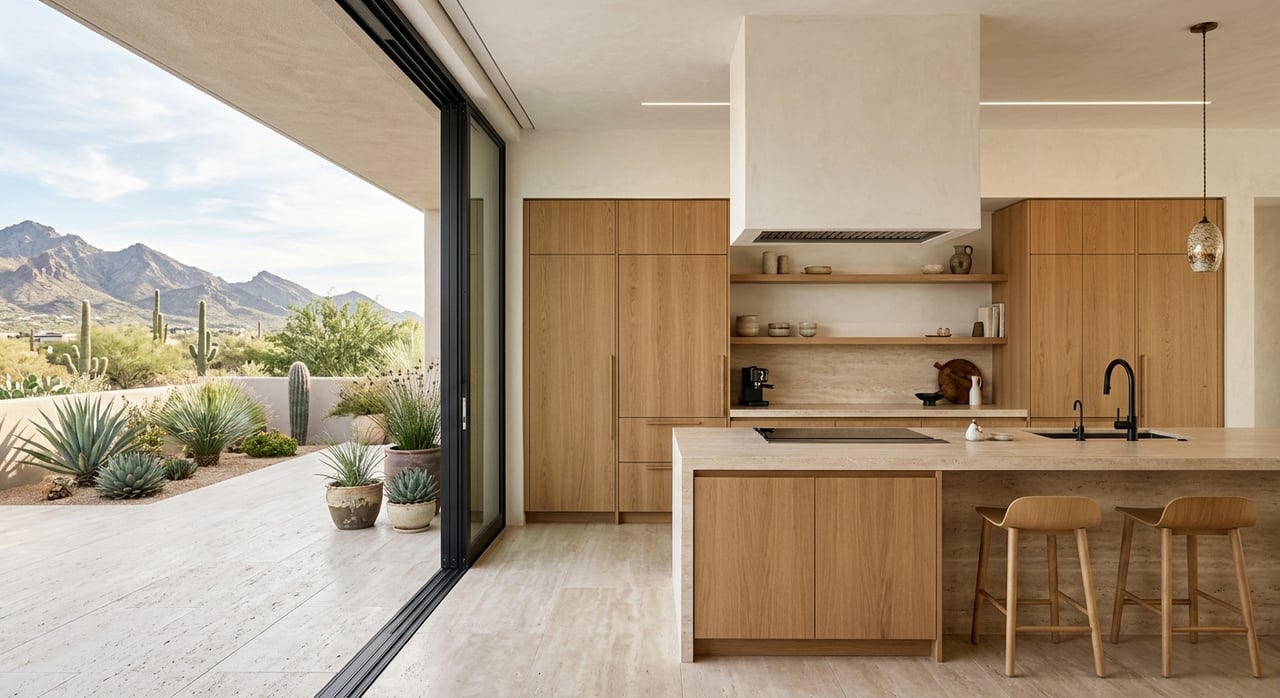
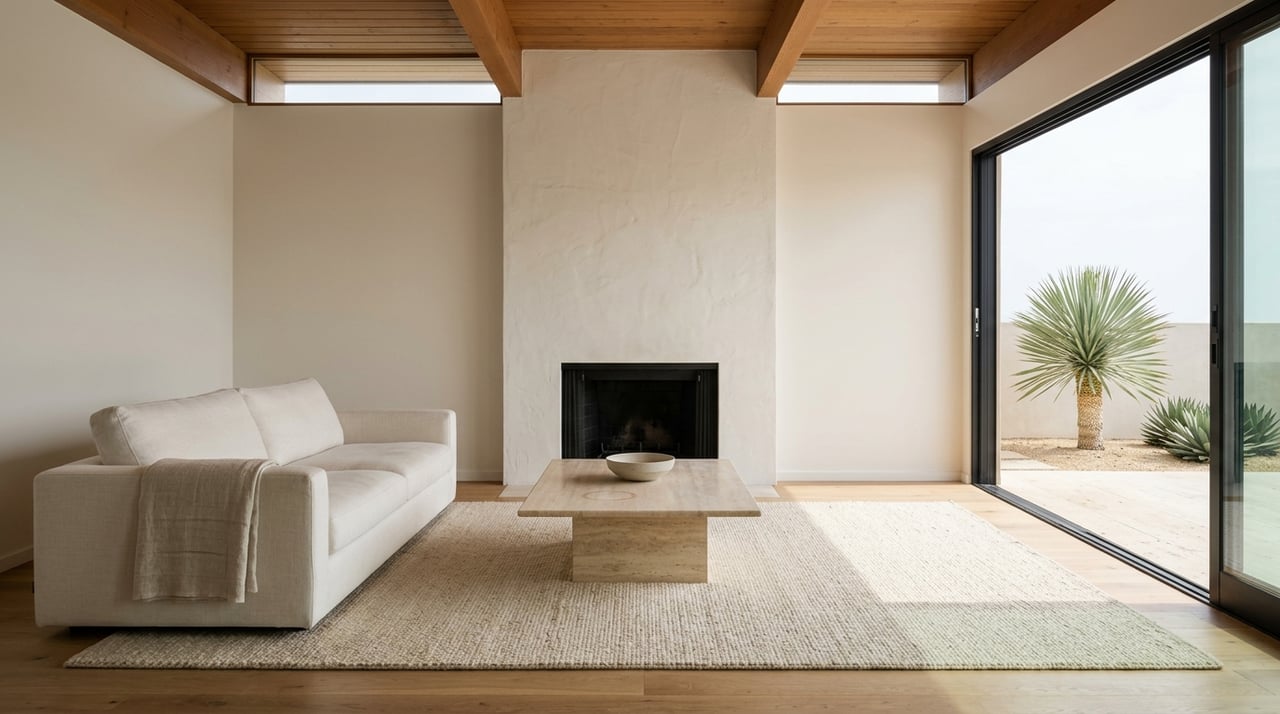
Palm Springs buyers are often drawn here for more than sunshine. The city is widely known for mid-century modern architecture, indoor-outdoor living, and a polished desert aesthetic. That gives design and presentation unusual weight in this market.
If you are choosing between two similar homes, the one with stronger architectural character, better curb appeal, and a more coherent indoor-outdoor layout may have an advantage in both guest demand and future resale. This is one reason many investment-minded buyers here focus on fit and design quality, not just square footage or price per foot.
The best Palm Springs investment purchases tend to balance three things at once: lifestyle enjoyment, regulatory fit, and realistic financial planning. You want a property that suits your goals, works within city rules, and can hold up under real operating costs.
That takes more than browsing beautiful listings. It requires neighborhood knowledge, careful due diligence, and a clear understanding of how Palm Springs actually functions as a tourism-driven housing market.
If you are thinking about buying a Palm Springs investment home, working with a local agent who understands architecture, neighborhood differences, and investment-minded property selection can make the process far more strategic. To explore the right fit for your goals, connect with Kyle Gilligan.
Stay up to date on the latest real estate trends.
We pride ourselves in providing personalized solutions that bring our clients closer to their dream properties and enhance their long-term wealth.